
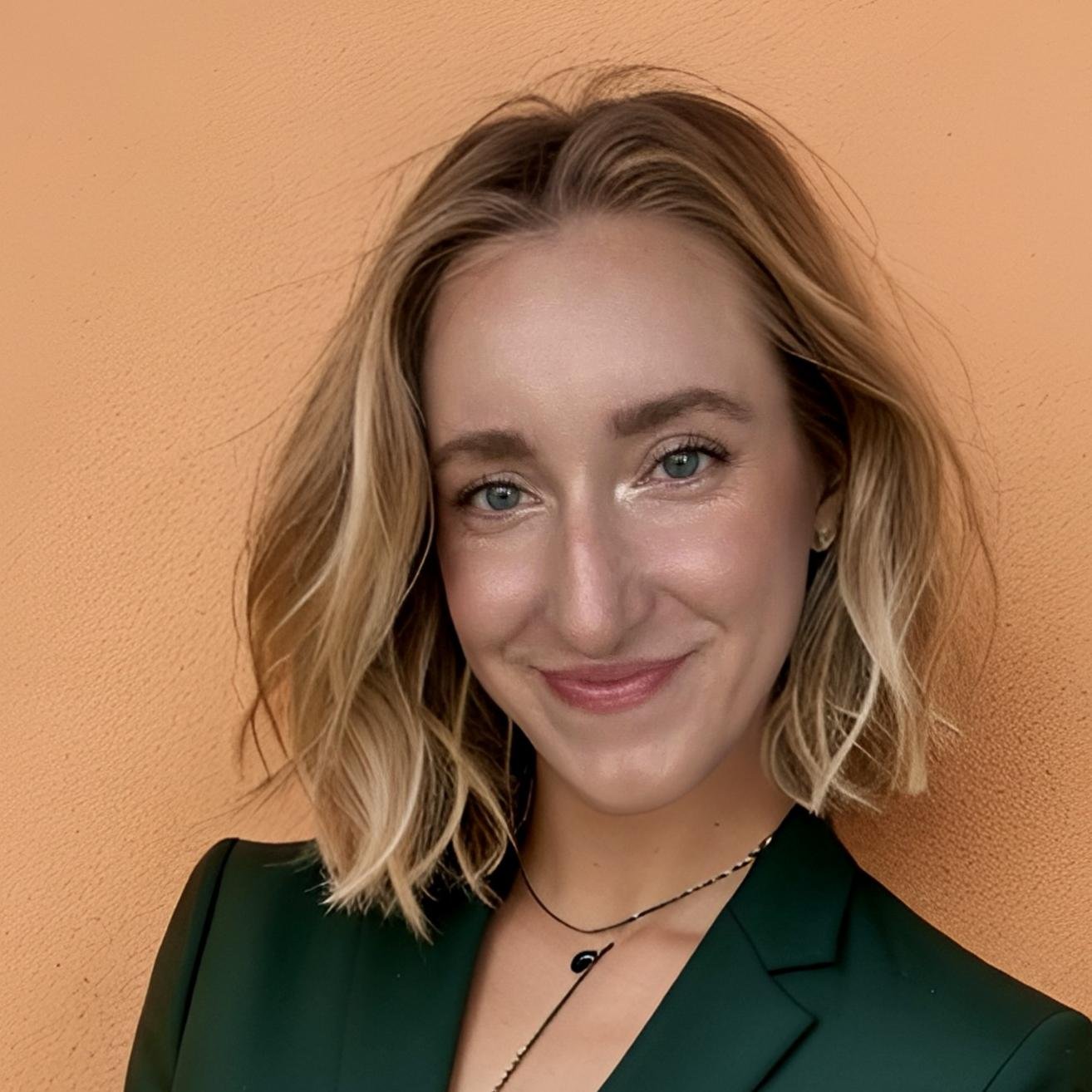
Hi, I’m Bridgette Well.
BridgeWell Insights isn’t just a business—it’s a reflection of what I believe in. I’m here to create work that matters, led by a shared commitment to quality and care.
Every decision I make is shaped by a clear sense of purpose.
Personal Background
I was born in Chicago, raised in Wisconsin, and have lived in Los Angeles since 2014—currently residing near Silverlake. I bring Midwestern warmth, deep curiosity, and a love of collaborative growth to everything I do.
For those who like a personality lens: I’m an ENFP (Myers-Briggs), Generator (Human Design), and a Capricorn Sun/Sagittarius Moon/Pisces Rising. My Gallup StrengthsFinder top traits include Empathy, Connectedness, Positivity, Ideation, and Woo.
I’m inspired by:
Social justice movements
Theater, music, and creative collaboration
Somatic healing and mindfulness
Nature and its wisdom
Deep conversations and joyful play
Singing, dancing, and quality time with people I love
Core Values
These guide my life and work:
Sacred Optimism
Believing in the possibility of a better world—a society that is safe, inclusive, and nurturing for all.
Playful Discovery
Embracing joy, humor, and curiosity in the creative process. Making space for the silly, the spontaneous, and the sincere.
Sustainable Growth
Pacing ourselves with care. Honoring capacity, nourishing resilience, and building movements and relationships that can endure.
Authentic Expression
Staying in tune—with ourselves, with others, and with the energy of the moment. Honoring voice, vulnerability, and truth.
My AI Philosophy
I believe artificial intelligence should be used ethically and with careful consideration of its evolving impact on society and the environment. In my own practice, that means using it sparingly and only where it genuinely enhances my work.
As someone with ADHD, I use AI to reduce administrative friction and streamline tasks that can otherwise consume valuable time and mental energy. For instance, AI might support me in:
taking meeting notes and summarizing next steps so I can focus on live conversation,
streamlining research spreadsheets,
flagging key requirements in a long contract,
formatting supplementary application attachments, or
outlining early-stage workflows.
By making these tasks more efficient or taking them off my plate when needed, AI tools help create more space for the work I value most, and at which I excel: listening deeply, asking intentional questions, thinking critically, uncovering patterns, and developing meaningful narratives that win support for important initiatives.
This administrative function is distinct from using generative AI to write.
Not only does AI-generated writing often contain errors, redundancy, and biases; it also fails to achieve the nuance for which I strive. AI can respond to provided inputs, but it cannot instinctually pivot project direction, infer meaning from someone’s tone of voice as they relay a personal story, nor appropriately capture the perspective, values, and lived experiences that fuel clients’ missions. I believe exceptional writing requires tuning into the thread beneath a message. As such, my clients hire me for my voice, my judgment, my ability to weave together complex information, and my commitment to crafting writing that is authentic and precise. These are deeply human skills—and they're the foundation of everything I produce.
That's why every proposal, report, and communication I create is researched, written, refined, and thoughtfully edited by me. While AI may occasionally support my process behind the scenes, I never publish AI-generated writing as finished work.
To me, AI is a productivity tool—not a substitute for expertise. It helps me use clients’ budgets wisely at specific points throughout the grant development process, but it will never replace the curiosity, synthesis, and human connection at the heart of my practice.